

Phone lines, POTS and VoIP
We find copper lines still billing for equipment that's gone, voice seats nobody uses and desk lines that overlap with mobile ones.
No cost or obligation, and nothing changes without your written approval.
We review the voice side of your telecom bills at every building you put in scope: copper phone lines, often called POTS lines, and hosted VoIP or UCaaS seats.
Last updated October 2026
Copper and POTS lines
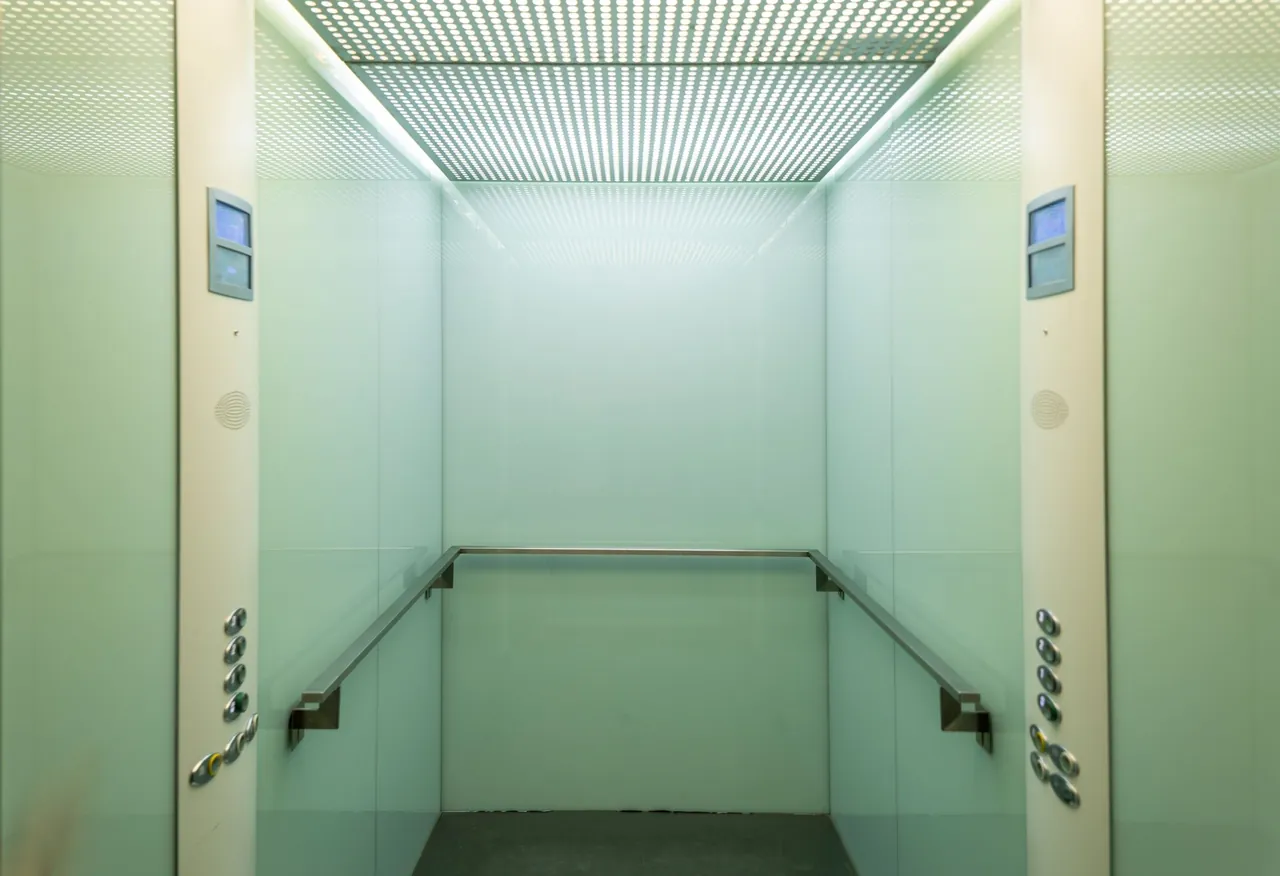
A copper line usually serves one piece of equipment, such as an alarm panel, an elevator emergency phone, a fax machine or an old main number that forwards somewhere else. When the equipment goes, the line often stays on the bill, and across a portfolio of buildings those lines sit on separate accounts at separate addresses.
We find the lines still billing for equipment that's gone, check them with your facilities team and cancel the ones you no longer need once you approve. For the ones you still need, we price the options, which can mean keeping the line, moving it to a cellular or VoIP-based replacement, or combining several lines.
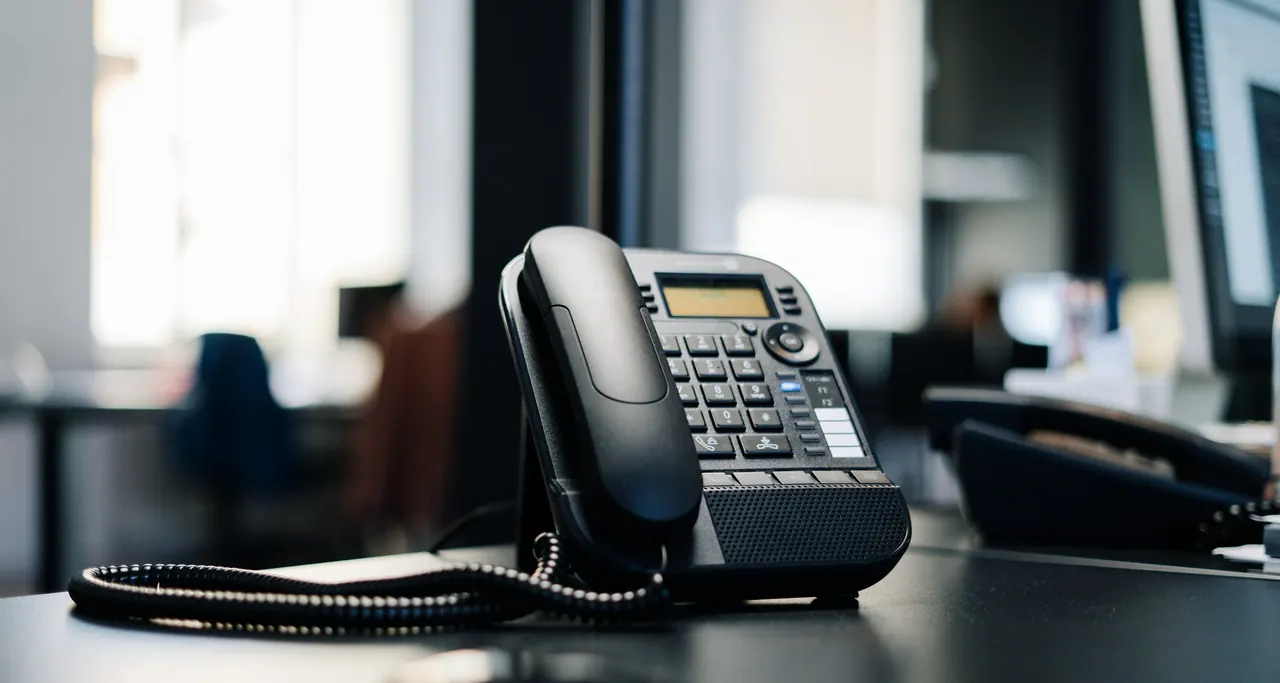
VoIP and UCaaS seats and licenses
Hosted voice is billed per seat or per license, so the bill rises with headcount and doesn't always come back down when people leave. We find the seats and licenses still billing for people who have left or don't use them, plus add-ons such as call recording on seats that don't need them, and take them off the bill once you approve.
Phone line and VoIP questions
What happens to our elevator phone lines?
Elevator emergency phones are safety equipment, so we treat them as a replacement project and never as a cancellation. We price the options, which commonly include a cellular-based line, and coordinate the change with your elevator service company.
Can we keep our main phone numbers?
In most cases, yes, because business numbers can be ported to a new provider. We confirm a number can move before we recommend any change.
Find the copper lines still on your bills
Tell us which voice providers you use and how many of your locations have phone service.
No cost or obligation, and nothing changes without your written approval.